SCOPRI IL NUOVO CORSO INTENSIVO ESTATE 2023 - MAGGIORI INFORMAZIONI

Massaggio ai piedi
Corsi di Riflessologia Plantare
Terapie antalgiche naturali
Per informazioni e prenotazioni, contatta subito il numero 328.595.0444
Allo Zu Center i massaggi sono messaggi
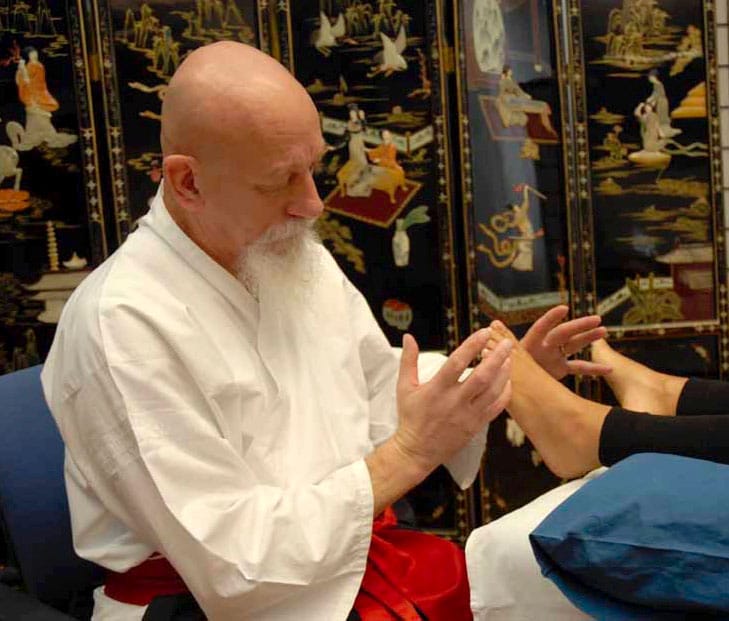
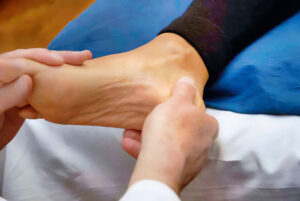
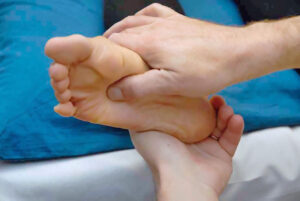
A differenza di altre tecniche di massaggio riflesse, il metodo Zu prevede che il massaggio sia eseguito con tutte le dita e con entrambe le mani. Il piede è massaggiato quindi nella sua globalità e il messaggio terapeutico è inviato al cervello, sollecitando quando necessario anche i meridiani energetici dell'agopuntura con l’ausilio di strumenti non invasivi.
Prova i trattamenti riflessologici
Contattaci per individuare il centro più vicino a te
Di cosa si occupa la riflessologia plantare?
La riflessologia plantare si rivolge a coloro che soffrono di problemi di ordine funzionale correlati alla sfera delle funzioni primarie del corpo umano. Nello specifico si rivolge a chi ha problemi:
- Circolatori
- Osteo-articolari
- Osteo-articolari
- Antalgici (dolore)
- Funzionali
- Funzionali
- PsicosomaticI
- Metereopatici
- Metereopatici
- Digestivi
- Nervosi
Patologie e TERAPIE

lpertensione arteriosa, 180/120 Reflessologia Plantare
Ipertensione arteriosa, le persone che sono affette dalla pressione sanguigna alta, possono essere aiutate con la reflessologia plantare. Il reflessologo dev’essere in grado di determinare l’origine del disagio...
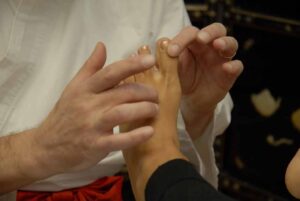
Massaggio 10 dita, Reflessologia Plantare Zu
Massaggio 10 dita, Reflessologia Plantare Zu messaggi al cervello Il massaggio dei piedi si esegue con tutte le 10 dita di entrambe le mani. Rispetto ad altre tecniche...
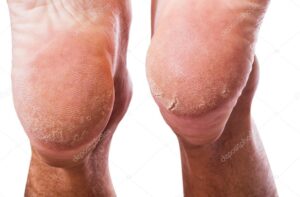
Callo madre, callosità 1 mediale del tallone
Callo Madre, callosità mediale del tallone, Reflessologia Plantare Zu, interpretazione. Si produce per proteggere le terminazioni nervose sottostanti. Quando la callosità diventa eccessiva diventa un corpo estraneo tra...
Libri sulla riflessologia
Testi divulgativi e tecnici sulla riflessologia e sulla teoria olistica. Scritti da Laozu Baldassarre, riflessologo, fisioterapista e fondatore dell'Original Reflexology Zu
Domande e risposte
Precisazione sulle aree riflesse sensibili
Buon giorno Grande Maestro Laozu! Sono Yoko del primo anno. Come sta? Spero stia bene. Parlando con una compagna della…Calcagno Doloroso Riflessologia Plantare Zu
Tallone doloroso e Riflessologia Plantare Zu. Il sintomo più recente che stai denunciando, il dolore al tallone sinistro, comunemente è…Scuola Zu, iscrizioni aperte.
Sì, le iscrizioni alla scuola sono ancora aperte. Saranno chiuse al raggiungimento del numero stabilito di 30 allievi. Come avrai…Reazioni fisiologiche naturali
Con i nostri mæssaggi né diamo né prendiamo, mettiamo in movimento, sollecitiamo le fisiologiche capacità del nostro organismo di autoregolarsi.…Emispasmo facciale Riflessologia Plantare risolve
Inquadriamo il problema dell'emispasmo facciale come una manifestazione elettrica del muscolo orbicolare dell'occhio o del massetere. Ciò ci fa escludere…Marisa: riflessologia, cefalea e cervicalgia. Che mal di testa!
Chi ha la testa che gli scoppia, chi si sente la testa vuota. Si percepisce di avere un peso sulla…